Plunger Lift System
Efficient Artificial Lift Technology for Enhanced Well Performance
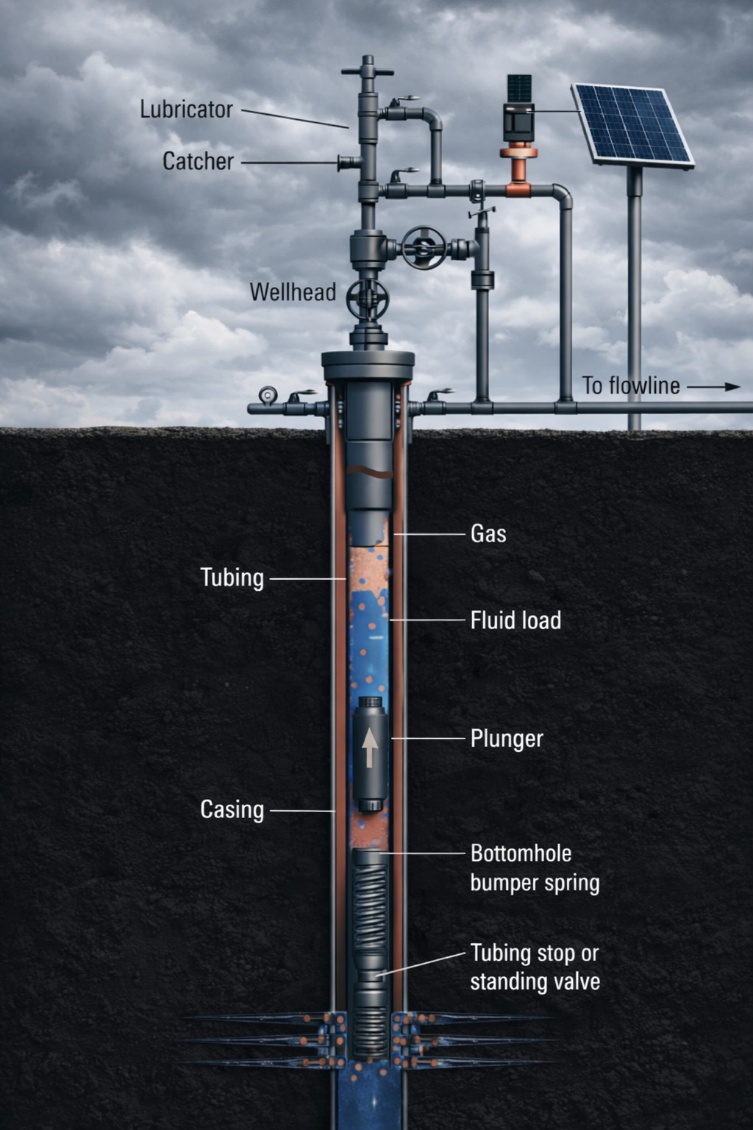
A Plunger Lift System is an effective artificial lift solution used in oil and gas wells to remove accumulated liquids and improve hydrocarbon production. By utilizing well pressure and a free-traveling plunger, the system efficiently lifts fluids to the surface, reducing liquid loading and increasing gas and oil recovery.
Designed for reliable and cost-effective operation, our Plunger Lift Systems help extend well life, optimize production, and minimize maintenance, making them ideal for conventional, unconventional, and mature oil and gas wells.
Key Features
- Efficient liquid unloading
- Improves gas and oil production
- Minimal downhole moving parts
- Low operating and maintenance costs
- Compatible with vertical, deviated, and horizontal wells
- Durable, corrosion-resistant construction
- Easy installation and operation
- Suitable for automated production systems
Applications
- Oil production wells
- Natural gas wells
- Coal Bed Methane (CBM) wells
- Shale gas wells
- Mature and marginal wells
- Liquid-loaded gas wells
- Onshore and offshore production operations
Benefits
- Increases hydrocarbon recovery
- Reduces liquid loading
- Enhances well productivity
- Extends well life
- Lowers energy consumption
- Minimizes production downtime
- Improves operational efficiency
- Cost-effective artificial lift solution
Why Choose Our Plunger Lift System?
Our Plunger Lift Systems are engineered to deliver dependable performance in demanding oil and gas environments. Built with high-quality materials and precision manufacturing, they provide efficient liquid removal, maximize production, and reduce operational costs while ensuring long-term reliability.

Plunger Lift
Plunger lift is a cost-effective, rigless solution that removes these liquids and restores efficient production. By using a mechanical plunger, it stabilizes gas flow, reduces downtime, and prevents solids buildup.
In oil wells with high gas-to-liquid ratios, plunger lift also enhances recovery by creating a seal that allows gas pressure to build and lift liquids to the surface.
Benefits
- A Fraction of other Artificial Lift Costs
- Out Produces Gas Locking Rod Pumps
- Will Keep Gas Wells Unloaded
- Can Cycle Without Shutting in
- Can Move High Volumes of Liquid
- Stop Soaping/Swabbing/Blowdowns
- Increase Efficiency of Gas Lift
- Remove Paraffin/Scale/Salt in Tubing
- No Outside Energy Requirements
- Rig Not Required for Installation
- Do Not Have to Kill the Well or Pull Tubing
- Good in Deviated Wells up to 30 Degrees
Surface equipment
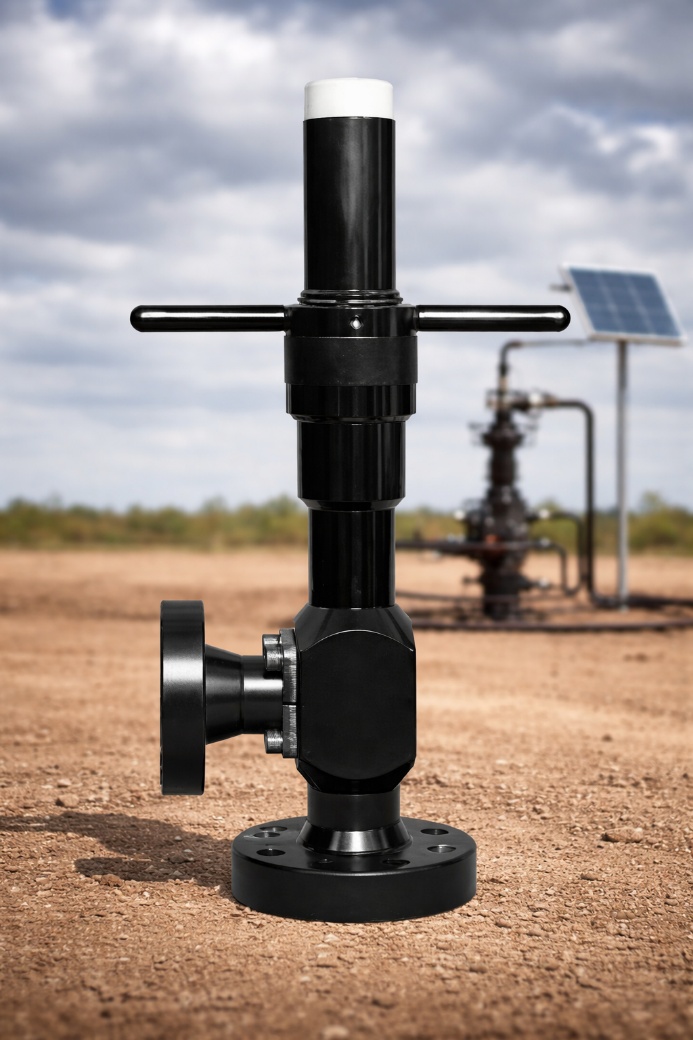
Lubricators
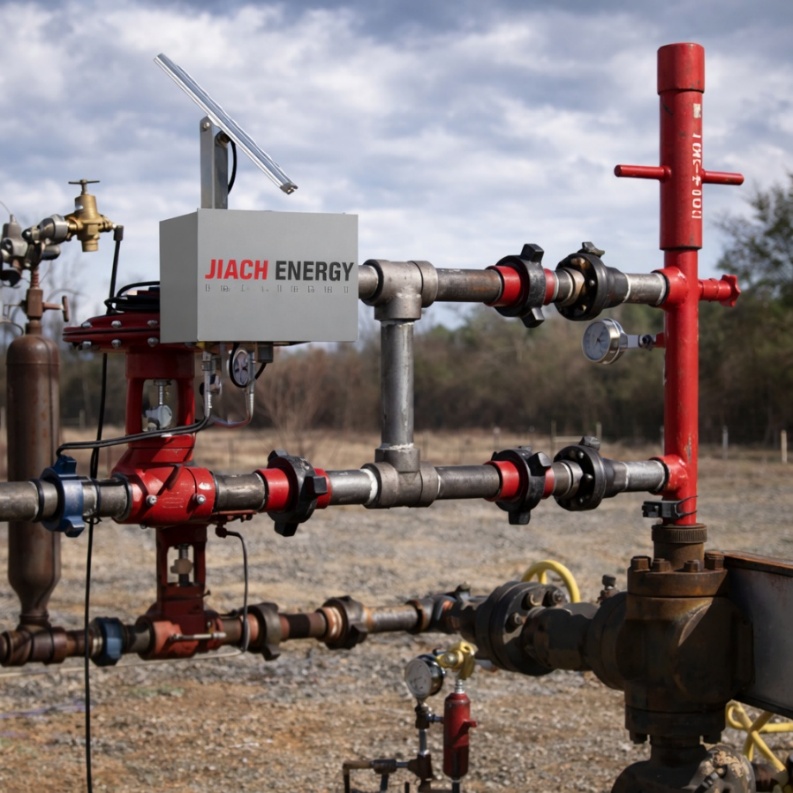
Smart Electric controller
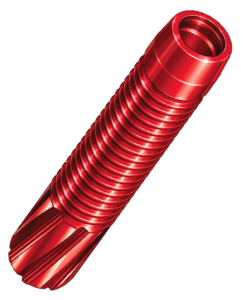
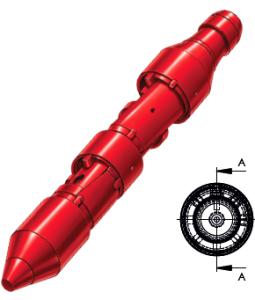
Plunger
Solar Panel
Smart arrival sensor
Motor Valve
Drip pot
Sub Surface equipment
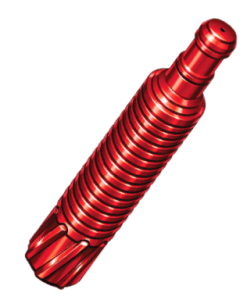
Tubing Stop
Bumper Spring
Features and benefits
- High-Pressure Wellhead Connect
- Proprietary Internal Plunger Catcher with local or remote control
- HNBR O-rings for High Durability
- All connections are flanged
- No additional piping required
- Non-metallic design with M-35 top spring
- API-6A Cross Blocks and Flow Tee Well Head configurations
- Available in 5K and 10K


SMART Electronic Control
Features and Benefits
Smart – Optimization Algorithms
Remote Access
Cloud-Enabled Storage
Solar-powered Autonomy
Durable Housing
User-Centric UI
Plug-and-Play Installation
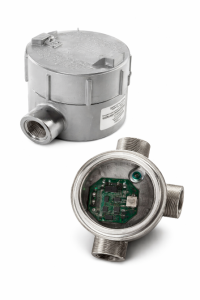
The Smart Arrival Sensor is an advanced surface monitoring device designed to accurately detect plunger arrival in plunger lift systems. It enables real-time data acquisition and intelligent well control, improving production efficiency and reducing operational uncertainty.
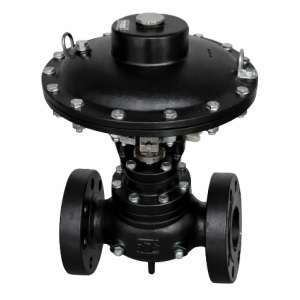
The Motor Valve is a critical component in plunger lift systems, designed to automatically control well opening and closing cycles. It ensures precise timing for gas build-up and liquid lifting, enabling efficient and optimized production. Engineered for reliability, the motor valve integrates seamlessly with plunger lift controllers and automation systems.
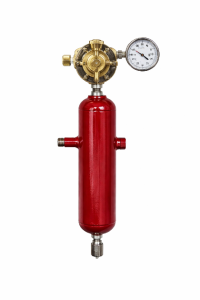
The Drip Pot is designed to collect and retain liquids from gas streams in wellhead and pipeline systems. It plays a critical role in preventing liquids such as water, condensate, and hydrocarbons from entering downstream equipment, ensuring safe and efficient operations.


